WA RRRRERI756BN
Design, permits, trades, inspection and final walkthrough and are all handled by us. You have one number to call and one person accountable.
Design, permits, trades, inspection and final walkthrough and are all handled by us. You have one number to call and one person accountable.
Most of our work is within thirty minutes of the shop We know the permit offices, the housing stock and the inspectors.
Design, permits, trades, inspection and final walkthrough and are all handled by us. You have one number to call and one person accountable.
Design, permits, trades, inspection and final walkthrough and are all handled by us. You have one number to call and one person accountable.
An asphalt shingle roof in the Seattle area typically lasts 20 to 30 years, while metal lasts 40 or more. In the wet Pacific Northwest, roof failure usually starts at the flashing, valleys and penetrations, not the open field of the roof, and moss and trapped moisture shorten a roof’s life when it is not properly ventilated.
Roofs rarely fail all at once. They warn you first. If you see these, it is time for an inspection.
A stain on the ceiling is not the start of the problem. It is the point where the problem has already reached the inside. The earlier we look, the smaller the fix.
The right roof depends on your home, your budget, and how long you plan to stay. Here is how the main options compare in our climate.
| Material | Cost | Lifespan | PNW Notes |
|---|---|---|---|
| Architectural Asphalt Shingle | $–$$ | 20–30 years | The default, good value, moss-prone without treatment |
| Metal | $$$ | 40+ years | Sheds rain and moss, long life, higher upfront |
| Cedar Shake | $$$ | 20–30 years | Beautiful, natural, needs upkeep in the wet |
| Flat / Low-Slope (TPO) | $$ | 20–30 years | For flat sections and modern homes, membrane system |
Asphalt is the sensible default for most homes here. Metal costs more upfront and pays back in decades of low maintenance. We will tell you honestly which one fits your house and how long you plan to own it.
Not every roof problem needs a full tear-off. Here is the honest hierarchy. A repair fixes a localized issue, a lifted flashing, a few damaged shingles, when the rest of the roof has life left. A re-roof, or overlay, lays new shingles over the old, which is faster and cheaper but only works once and only if the deck below is sound. A full replacement tears everything back to the deck, which is the only right answer when there is rot, multiple layers already, or the roof is simply worn out.
We inspect first and tell you the truth, even when the truthful answer is the cheaper one.
Moss is not just cosmetic here, it is one of the main reasons Pacific Northwest roofs fail early. Moss holds water against the shingles, lifts them, and keeps the roof deck damp. Left alone, it shortens the roof’s life by years. We treat and prevent it, and we install the flashing and edge details that stop it taking hold.
Ventilation is the other half of the story. A poorly ventilated attic traps heat and moisture, which cooks shingles from below and feeds rot and mold in the deck. Proper intake and exhaust ventilation lets the roof breathe, and it is one of the most overlooked details in a re-roof. We get it right, because a roof that cannot breathe does not last.
Roofs almost never leak in the open field of shingles. They leak at the edges and the holes: valleys where two roof planes meet, and every penetration, chimneys, vents, skylights and pipes. This is where flashing does its job, and where a rushed re-roof cuts corners. We flash every valley and penetration properly and integrate it with the roof and the rest of the weather envelope, including your [Windows, Doors & Siding], so water has nowhere to get in.
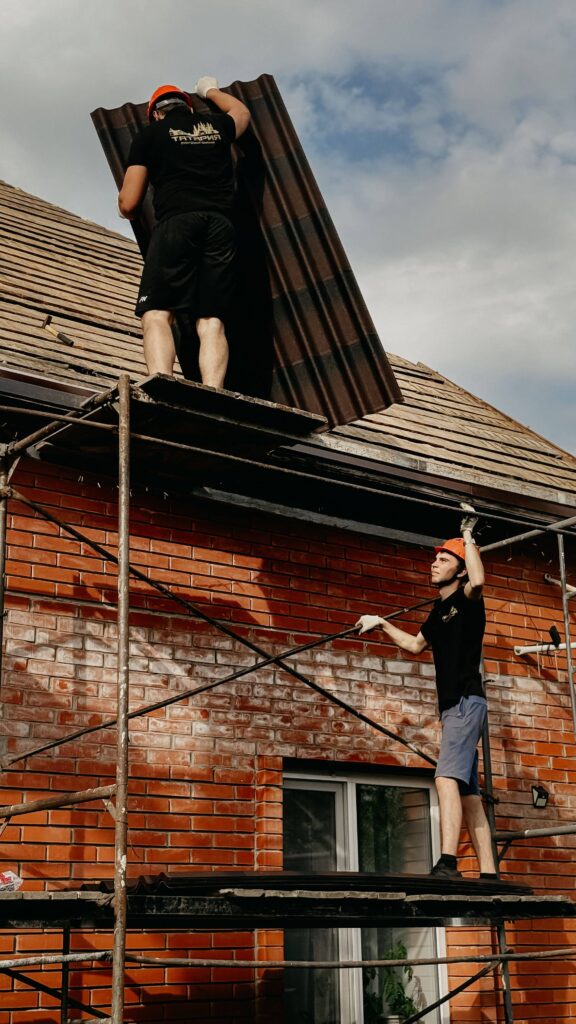
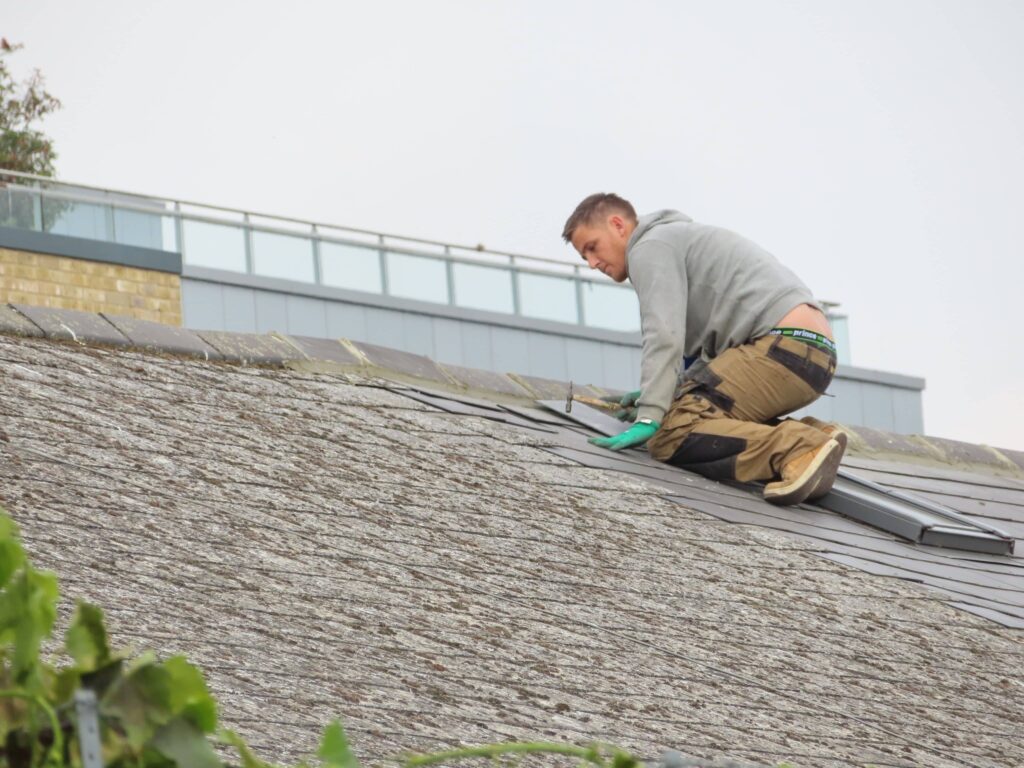
The cost of a new roof depends on several factors, including the size and pitch of your roof, the roofing material you choose, the condition of the existing roof, and whether any repairs are needed once the old roof is removed.
Because every roof is different, the best way to get an accurate price is to schedule an inspection. We’ll assess your roof, discuss your options, and provide a detailed written estimate with no obligation, so you know exactly what to expect before any work begins.
If you’re planning a roof replacement or repair, contact us to schedule a free roof inspection and personalized estimate.
The cost depends on the roofing material, the size and pitch of your roof, and whether any repairs are needed once the old roof is removed. Hidden deck damage is one of the most common surprises. We provide a detailed written estimate before any work begins.
Architectural asphalt shingles last about 20 to 30 years here, metal 40 or more, and cedar 20 to 30 with upkeep. Moss and poor ventilation shorten all of them. Regular moss treatment and proper attic ventilation are what get you the full lifespan.
Sometimes. An overlay is faster and cheaper, but only works once and only if the deck below is sound and there is just one existing layer. If there is rot or multiple layers, a full tear-off is the only honest option. We check the deck before recommending it.
Moss holds moisture against the shingles and shortens roof life, so it should be treated, not ignored. We remove and treat it and install edge details that discourage regrowth. In this climate, periodic moss treatment is part of normal roof maintenance.
Usually, yes, a roof replacement typically requires a permit and inspection. We pull the permit and handle the inspection as part of the job, so it is not your problem to sort out.
Book a free consultation. We will inspect your roof, check the flashing, ventilation and deck, and put a written quote in front of you. No charge, no pressure.